1. Confirm the property is released
If police were involved, cleanup starts after they release the space. The owner or family can check with the agency.
Snohomish, WA · Snohomish County
Unknown powder, syringes and stained carpet in a Snohomish home all call for the same step. Stay out, keep others away and call (877) 812-4220 for removal, cleaning and disposal.
If anyone is in danger, call 911 first. For a suicide crisis, call or text 988.
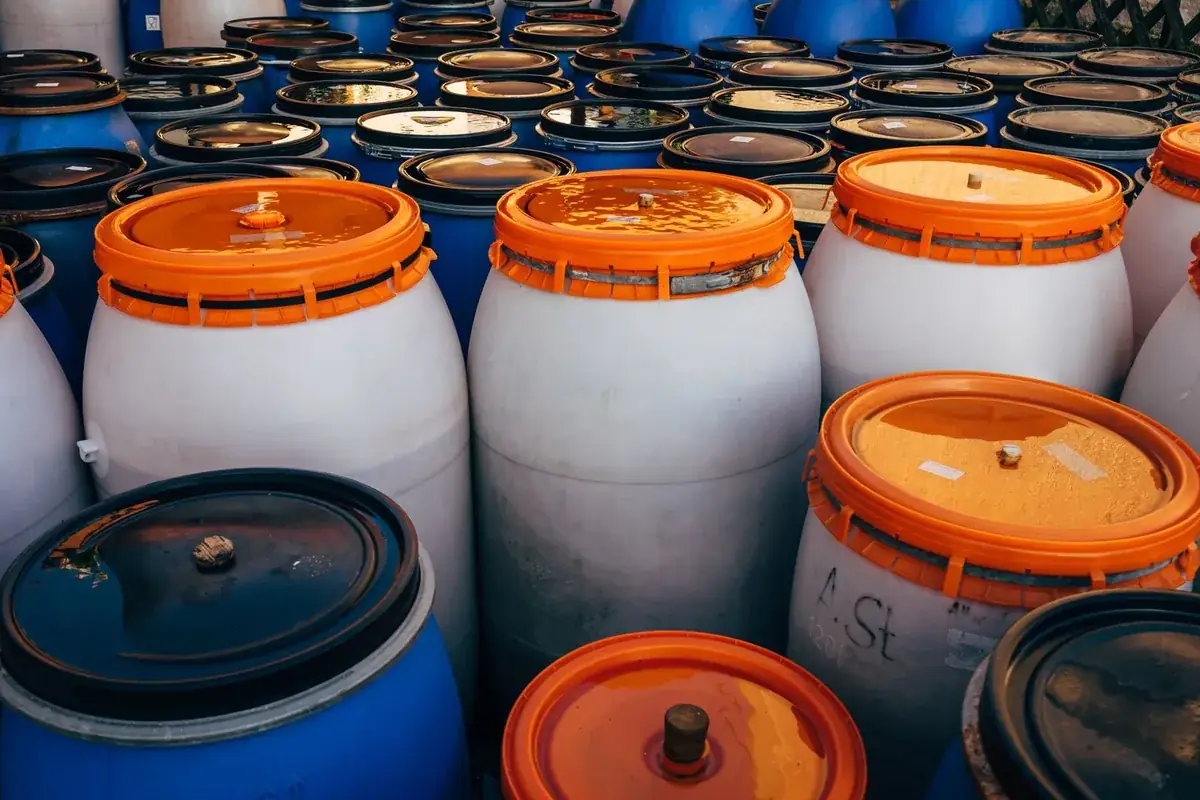
Biohazard cleanup for drug use covers removal of contaminated items, decontamination of surfaces, disposal of soft materials that cannot be cleaned and treatment of lingering odor.
For drug use cleanup jobs of any size across Snohomish County, call Snohomish Biohazard Cleanup Help and get the work done. In Snohomish, that can mean a single drawer of items or a house that needs thorough work, whatever you are facing.
Renters make up about 45% of households in Snohomish, so landlords often need paraphernalia cleared between tenants. If anyone is unresponsive or hurt, call 911. The nearest emergency room to Snohomish is Providence Regional Medical Center Everett in Everett, about 6 miles away.
A typical drug paraphernalia cleanup job includes:
If police were involved, cleanup starts after they release the space. The owner or family can check with the agency.
Crews put on gloves, eye protection and respirators when needed, then search every room for sharps and other items.
Paraphernalia goes into sealed containers, and hard surfaces are cleaned with EPA-registered products.
The space is checked once more, and the crew answers questions before leaving.
The cost of drug paraphernalia cleanup in Snohomish, WA depends on the amount of material, how it is packed and how it is hauled.
The number of rooms affected is a major factor. One bedroom needs less time than a whole house or a large rental unit.
| Type of job | Typical range |
|---|
Estimates only, not a quote. Sources: . Price drivers include amount of material, whether residue is present, surfaces affected, waste disposal. Call (877) 812-4220 to talk through the job.
Police and the city do not usually clean the space afterward. The owner or the family books the cleanup once the scene is released. A cleanup team can work after the release and explain the steps. Ask the agency when the space is cleared.
No. This page explains how drug paraphernalia cleanup works. It is not medical, legal or insurance advice. For symptoms, contact a doctor or Poison Control, and for legal questions, ask an attorney.
Loose syringes should never go in household trash, because they can stab sanitation workers. Other items may carry residue. A cleanup team seals and disposes of everything the safe way.
It can. Powders and stains may stay on floors, furniture, bedding and in vents after the items are gone. That is why a team cleans and disinfects the surfaces and removes soft materials that cannot be cleaned. Ask what the plan covers.
Vehicles can hold syringes, residue and odor in seats, carpets and vents. Ask whether the team cleans vehicles and how soft materials are treated. Crews use the same protective gear and sealed containers as in a building.
Some residues can harm people who touch them, and you cannot tell by looking which ones. That is why gloves are not a substitute for professional cleanup. If skin touches something unknown, wash with soap and water and call Poison Control.
Ask about discreet arrival in an unmarked vehicle if privacy matters.
Call (877) 812-4220